
80 % of content marketing is targeted at a wrong target audience - avoid this common mistake

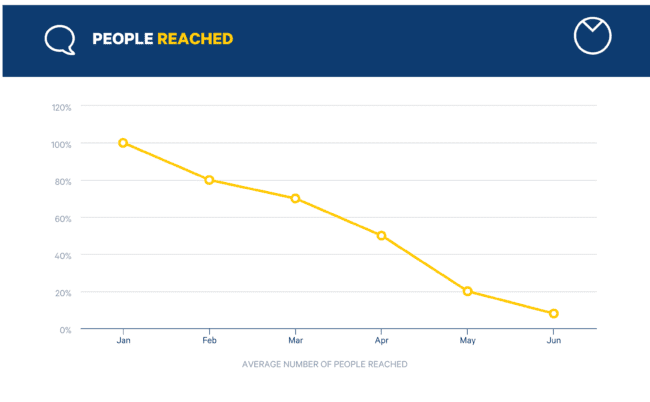
Content marketing has long been an important way to attract customers organically.
Like any marketing tactic, it has its advantages and disadvantages. Once a piece of content is published and search engine optimized, it can generate traffic indefinitely, as opposed to paid advertising that requires pushing money into it continuously.
On the other hand, content marketing might not generate fast results, like ads do. Content needs time to grow into thought-leadership and brand image.
Content marketing has many different forms, such as videos, blog posts, social media posts, guides, online courses, and landing pages.
However, we argue that most of the content marketing efforts are useless – or at least, you might be betting on the wrong horse.
We tend to spend resources on things that do not lead to a positive result. They can still be seen as expenses in the cash flow though.
“80 % of content marketing is targeted at the wrong target audience” may sound harsh, and I admit that I have no facts about the exact percentage. However, my own experiences strongly support this assumption.
This problem is not only typical in content marketing, but a similar problem exists for example in architecture, film production, book publishing, as well as in science.
The Main Reason You're Targeting the Wrong Audience in the First Place
Marketers seem to frequently forget for whom and for what purpose content marketing is being done. When making content strategies, the focus is typically on the customer, as it should be.
However, for some reason, we often forget the customer when it is time to move into practice and start producing the content.
As a result, the content we produce is often a mixture of something that is interesting to:
- the target audience
- to the decision makers of the company,
- or that gets the respect of other marketers
If we listen to too many different people (*cough* CEO, executives, board *couch*), we'll end up creating lukewarm content.
We spend time on spelling and grammar and wondering if a piece of content is in line with our communication policies, instead of making sure that we actually produce content that helps us to get results.
And with results, we mean conversion rates and optimizing them.
Oftentimes, authentic and even a bit rustic or unpolished content can perform better than something well thought-out and perfectly crafted. People can sense authenticity, and are more open to communication that is humorous, friendly, and relaxed, rather than corporate and formal.
Post-2022: AI Slop or Better Opportunities?
Generative AI makes it possible to produce more content than ever – but there's still much to learn about how to use it correctly. Too many companies still think quantity over quality, and bombard their blog and social media channels with artificially produced content.
The Internet is saturated with content that no one wants to consume due to its lack of originality.
But it's not all bad. AI can be a great help in figuring out the target audience and crafting messages for that audience.
Moreover, your target audience might be consuming your content via AI chat. ChatGPT and Gemini can instantly provide content that interests the user. So make sure your content is findable and readable for AI tools as well.
How can you avoid these common pitfalls, then?
How do you target content marketing at whom it is planned?
Seth Godin once said that the first thing a marketer should learn is to learn to influence people like themselves. Thus, from the marketer’s point of view, this problem is rooted in the fact that it is challenging to relate to or feel empathy towards the target group.
It is easier to construct the world based on our own experience, as if we were the center of the universe and as if everyone else behaved – or should behave – the same way we do.
Bringing this up is no solution. Here are three tips to avoid the most typical pitfall in content marketing:
1) Focus on helping the customer, not on explaining what your business does
Designing content marketing for the target audience will typically become much easier when you forget about the product or service that the company is selling. Instead, focus on the biggest problems that the target audience needs help with.
Start by making a list of the problems that your clients are likely to have. Produce content that provides answers and helps them to solve those problems.
If you know the story behind Michelin Stars, you know exactly what I’m talking about.
2) Let your customers tell whether your content was useful and interesting or not
You shouldn’t go to other marketers for their opinions about videos or blog posts – unless they are your target audience or specialize in marketing to your target group.
Focus on what your target audience thinks about the content. Focus on how the content affects the behavior of your audience and whether it encourages them to take the desired action.
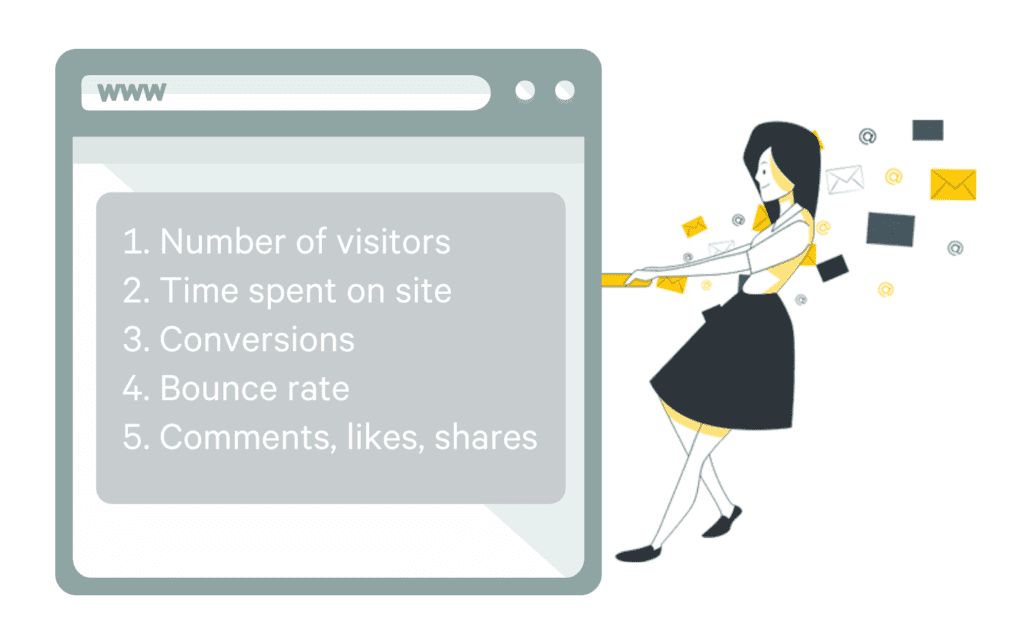
Keep an eye on statistics such as the number of people reading the content, time spent on site, conversions, and so forth to gain an understanding of the effectiveness of your content.
If you notice that your bounce rate is high or that you get no clicks, you're most probably targeting the wrong market! Adjust your strategy and make sure you're using a trackable lead generation tactic.
Another thing to consider: Is the title or first glance of the content very different from the actual content? (So-called clickbait content.) If the user expects something else than what they are about to see, your efforts are going to waste.
Remember: You are not working for a tabloid trying to get as many clicks and ad views as possible. You want to build relationships and persuade your target audience.
3) Let your customers speak for you
This is probably the safest solution if you don't want to go wrong. Your satisfied customers appeal to your target audience more than any CEO or copywriter. Use social proof in all stages of your sales and marketing funnels!
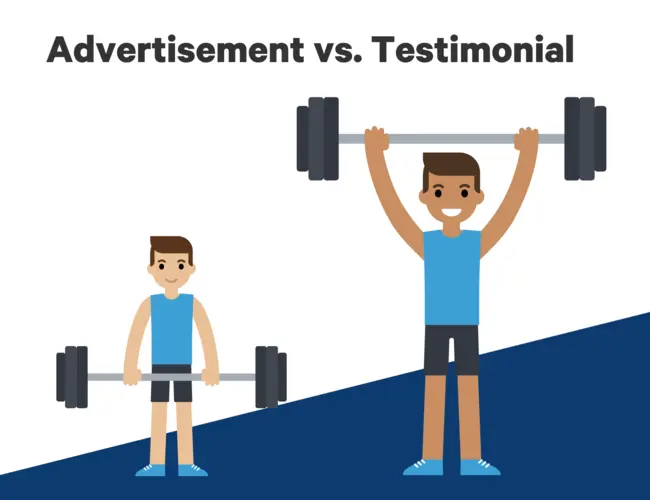
Customer testimonials and reviews are often perceived as much more credible than statements from companies themselves. I am aware that, as a representative of Trustmary, I might be biased, because we base our services entirely on the fact that a recommendation is the most effective marketing message.
People want to hear things from other people. When you e.g. aim for an authentic video testimonial, you might not get the perfect grammar or phrases that match your brand book. But they are words that your customer uses to describe the value of your services, and your target group will trust them.
Almost all of us want to read or hear recommendations about products and services before making the purchase decision. Remember this when you make plans for content marketing.
In summary
Focus on the essentials and not on what you, as a decision maker, think about the content being published. Many companies waste their resources on trivialities that have no value to the customers or the company.


